-
Shop
- Advanced Technologies
- AI Career Advantage Collection
- AI Skills Mastery 2026 Collection
- Bathroom
- Best-Sellers
- Car Accessories
- Dating & Social Skills
- Digital Resources
- AI Skills
- Beauty
- Car Buying & Ownership
- Cozy Feast Collection
- Electronics & Technology
- Emotional Intelligence
- Financial Education
- Home Styling & Organization
- Mindset
- Online Business
- Parenting & Child Development
- Personal Style & Fashion
- Pet Lifestyle & Wellness
- Positive Thinking
- Self Confidence
- Sleep Improvement
- Smart Life with AI
- Stress Management & Relaxation
- Wellness
- Yoga & Fitness
- Yoga & Mind-Body Practices
- Education & Learning
- Family & Parenting
- Fashion
- Furniture
- Gadgets
- Health & Beauty
- Health & Wellness
- Home & Garden
- Home Electronics
- Jewelry
- Kids & Babies
- Kitchen
- Lighting
- Online Business for Beginners
- Patio, Lawn & Garden
- Personal Growth
- Pet Care
- Pet Supplies
- Pets
- Shoes
- Smart Home Living Guides
- Sport & Outdoors
- Stress Relief & Relaxation
- TikTok Growth & Monetization Mastery
- Travel
- Travel Planning
- Wealth
- Wealth Building
- Budgeting & Saving
- Cryptocurrency Investing
- Debt Management
- Entrepreneurship & Business Growth
- Family Finance & Budgeting
- Financial Independence
- Financial Mindset & Psychology
- Financial Planning
- Frugal Living & Expense Hacks
- Goal Setting
- High-Income Skills
- Investing Basics
- Leadership
- Motivation
- Networking & Mentorship
- Passive Income Strategies
- Real Estate Investing
- Side Hustles
- Stock Market Investing
- Popular
- Best deals
Warm Knitted Hooded Pet Sweater: Fit and Comfort Guide
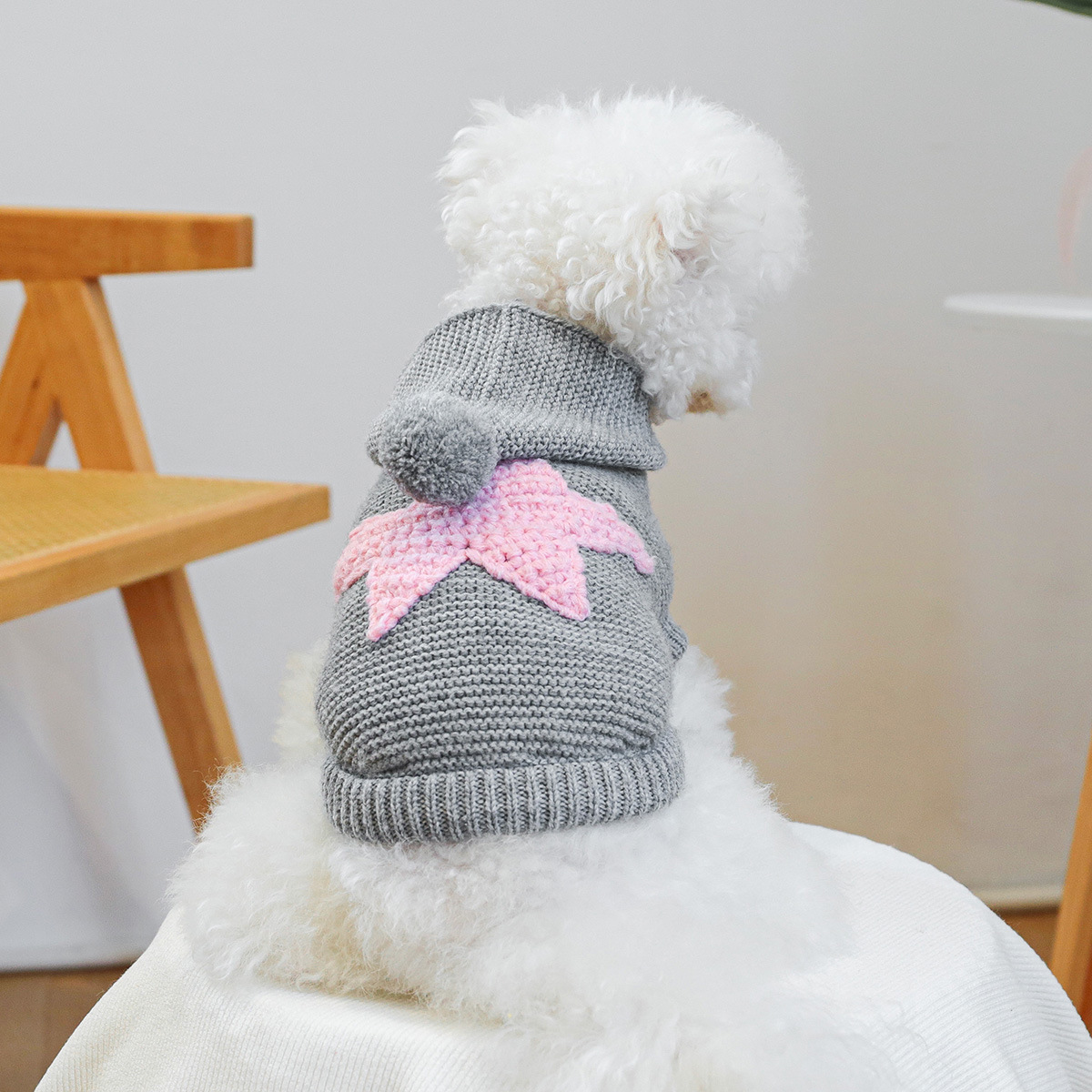
75% off on product page · save $41.18
Warm Knitted Hooded Pet Sweater: Fit and Comfort Guide

A cozy layer for cooler days
Some pets feel the cold more than others. A small dog with a short coat, for example, may benefit from an extra layer when going outside on a chilly day. A sweater can help retain body heat, though its usefulness depends on the pet, the weather, and how long you spend outdoors.
The knitted design and hood make this sweater a straightforward option for adding a layer. Your pet does not need to wear the hood up to enjoy the sweater, and it should never interfere with seeing, hearing, or breathing.
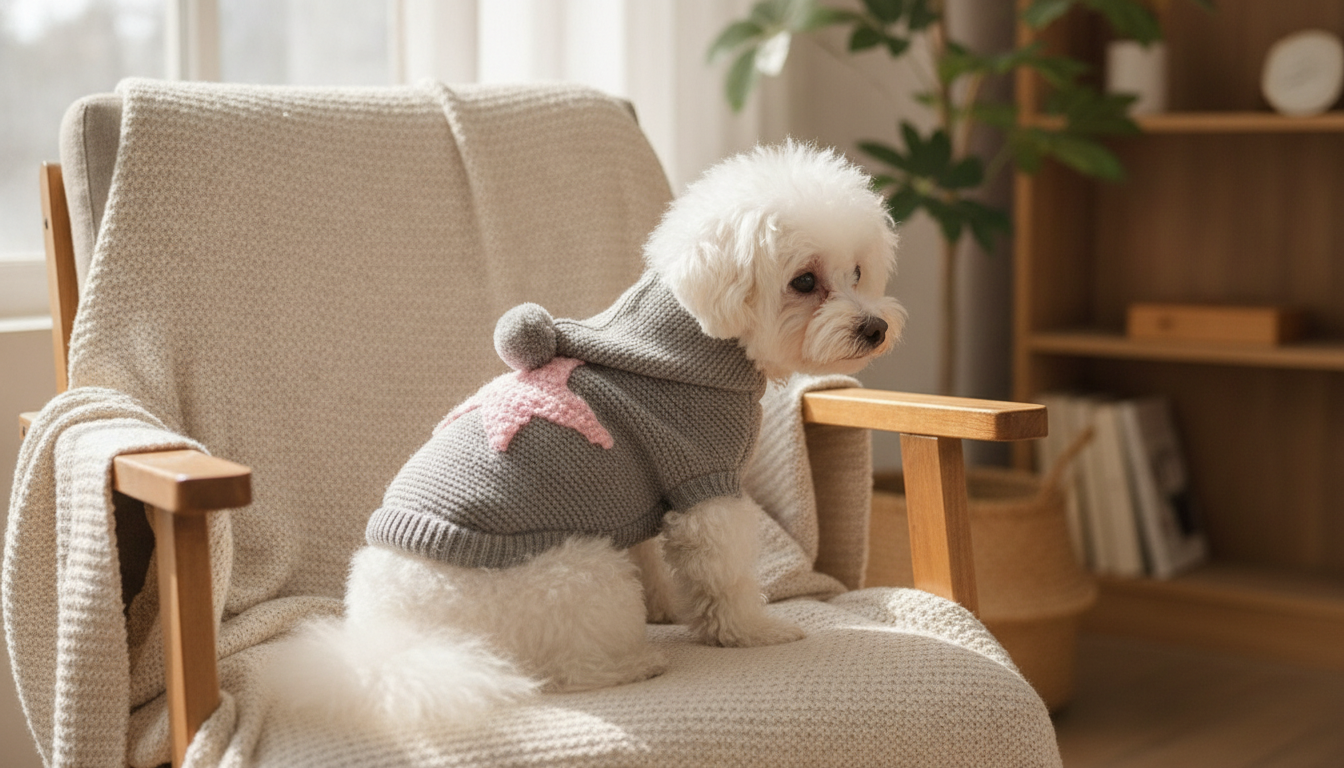
Finding a comfortable fit
Compare your pet’s neck, chest, and back measurements with available sizing guidance rather than choosing by breed or weight alone. The sweater should stay in place without squeezing or rubbing.
Watch your pet walk and sit after fitting it. They should be able to move and breathe normally, and the garment should not interfere with toileting. Keep the hood clear of the eyes, ears, and nose; leave it down if it slips forward or your pet dislikes it.
Featured in this guide
Warm Knitted Hooded Pet Sweater for Small Dogs and Cats
Introducing your pet to a sweater
Let your pet sniff and investigate the sweater before you try it on. Choose a calm moment, use gentle encouragement, and keep the first fitting brief. If your pet accepts it, you can gradually extend the time while watching how they move and behave.
Freezing in place, struggling, or repeatedly trying to remove the sweater can signal discomfort. Take it off if your pet is distressed rather than insisting they get used to it. Some cats tolerate clothing, but others find it stressful; the same gradual introduction and supervision are important for both cats and dogs.
Supervise your pet while the sweater is on, and remove it if your pet appears too warm. A wet sweater can make your pet uncomfortable, so take it off if it becomes damp and dry your pet as needed. For general drying at home, you can also browse our Premium Cotton Quick-Dry Face & Bath Towel.
Shop the hooded pet sweater
Ready to add a layer to your pet’s wardrobe? View our Warm Knitted Hooded Pet Sweater for Small Dogs and Cats .
Before you decide, take your pet’s measurements and consider whether they have been comfortable wearing clothing before. A good fit and a patient introduction can make the experience more pleasant for both of you.
Before choosing, compare the product details with your daily routine, available space, care needs, and preferred setup. The strongest option is usually the one that fits the intended use clearly and remains simple to clean, store, and check before repeat use.
It is also worth checking measurements, material notes, included parts, and compatibility details so the item matches the way it will be used after delivery.
FAQ
What is a knitted hood called?
A knitted hood may simply be called a hood. Depending on its shape and construction, a separate hood-like garment may also be called a balaclava or a hooded cowl.
How to make a knitted hood?
You can knit a hood by following a pattern for a shaped piece that frames the face, then seaming or joining it as directed. The steps depend on whether the hood is separate or attached to another garment.
Are knitted hoods in fashion?
Knitted hoods appear in seasonal clothing and accessories, although their popularity changes over time. Choose one based on the style and comfort you prefer.
How to knit a hooded scarf easily?
A beginner-friendly method is to knit a long scarf and a separate hood-shaped piece, then join them following a simple pattern. Some patterns use a single piece with a seam to form the hood.
Do dog sweaters really keep dogs warm?
Small dogs, short-haired dogs, puppies, seniors, and dogs with little body fat may get cold sooner than large dogs with thick coats. A sweater can be especially useful for a chilly walk or a cool indoor space, while a healthy dog with a dense coat may be comfortable without one.
Do vets recommend dog sweaters?
Vets may recommend a sweater for a dog that has trouble staying warm, especially a small, short-haired, senior, or thin dog going outside in cold weather. They do not recommend sweaters for every dog: a thick-coated dog may be comfortable without one, and any dog can overheat if dressed too warmly.
See if Warm Knitted Hooded Pet Sweater for Small Dogs and Cats fits your setup
Turn an Old Sweater Into a Dog Sweater: DIY Guide
Nov 18, 2026
Do Fireplace TV Stands Put Out Heat? What to Know
Nov 19, 2026













Leave a comment