-
Shop
- Advanced Technologies
- AI Career Advantage Collection
- AI Skills Mastery 2026 Collection
- Bathroom
- Best-Sellers
- Car Accessories
- Dating & Social Skills
- Digital Resources
- AI Skills
- Beauty
- Car Buying & Ownership
- Cozy Feast Collection
- Electronics & Technology
- Emotional Intelligence
- Financial Education
- Home Styling & Organization
- Mindset
- Online Business
- Parenting & Child Development
- Personal Style & Fashion
- Pet Lifestyle & Wellness
- Positive Thinking
- Self Confidence
- Sleep Improvement
- Smart Life with AI
- Stress Management & Relaxation
- Wellness
- Yoga & Fitness
- Yoga & Mind-Body Practices
- Education & Learning
- Family & Parenting
- Fashion
- Furniture
- Gadgets
- Health & Beauty
- Health & Wellness
- Home & Garden
- Home Electronics
- Jewelry
- Kids & Babies
- Kitchen
- Lighting
- Online Business for Beginners
- Patio, Lawn & Garden
- Personal Growth
- Pet Care
- Pet Supplies
- Pets
- Shoes
- Smart Home Living Guides
- Sport & Outdoors
- Stress Relief & Relaxation
- TikTok Growth & Monetization Mastery
- Travel
- Travel Planning
- Wealth
- Wealth Building
- Budgeting & Saving
- Cryptocurrency Investing
- Debt Management
- Entrepreneurship & Business Growth
- Family Finance & Budgeting
- Financial Independence
- Financial Mindset & Psychology
- Financial Planning
- Frugal Living & Expense Hacks
- Goal Setting
- High-Income Skills
- Investing Basics
- Leadership
- Motivation
- Networking & Mentorship
- Passive Income Strategies
- Real Estate Investing
- Side Hustles
- Stock Market Investing
- Popular
- Best deals
Sport Safety Checklist: 5 Checks Before Every Game
35% off on product page · save $3.23
Sport Safety Checklist: 5 Checks Before Every Game
What sport safety means in practice
Sport safety means reducing avoidable risks with suitable equipment, preparation, safe playing conditions, and attention to how an athlete feels. It is a shared responsibility, not a promise that a checklist or protective gear will prevent every injury.
Each person has a part to play. Athletes can speak up about pain, dizziness, discomfort, or equipment that does not feel right. Parents can help check fit, bring needed supplies, and communicate restrictions or concerns. Coaches can inspect playing conditions, reinforce the rules, and follow their organization’s safety procedures. When everyone knows their role, a concern is less likely to be brushed aside in the rush to start.
Turn each answer into a decision
For the body check , ask about pain, illness, dizziness, hydration, and any limits on participation. Leave time for a warm-up appropriate to the activity. If someone feels unwell or has concerning symptoms, pause rather than treating the checklist as permission to play.
For the environment check , look at the surface, weather, visibility, and access to water. Fix a hazard, change the activity, or delay play when conditions call for it. Review the sport’s safety rules and identify the adult who should hear about an injury or concern.
Featured in this guide
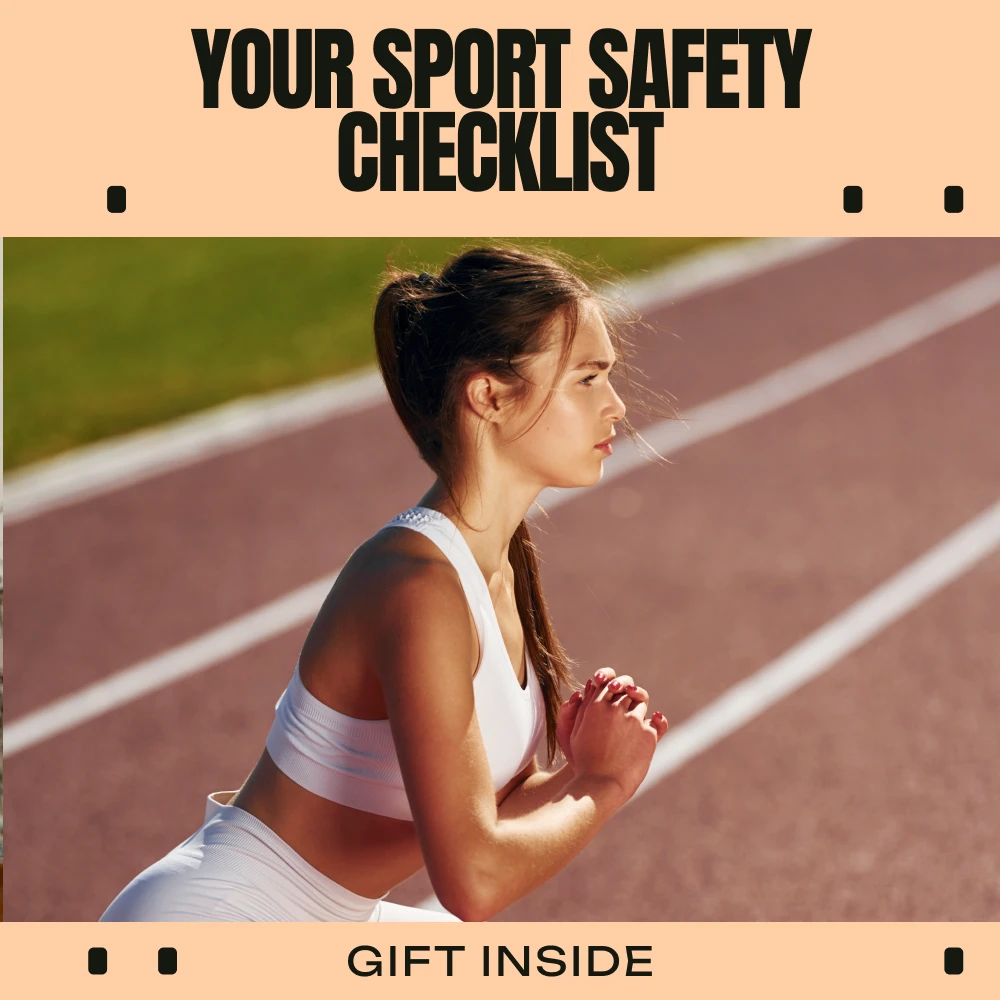
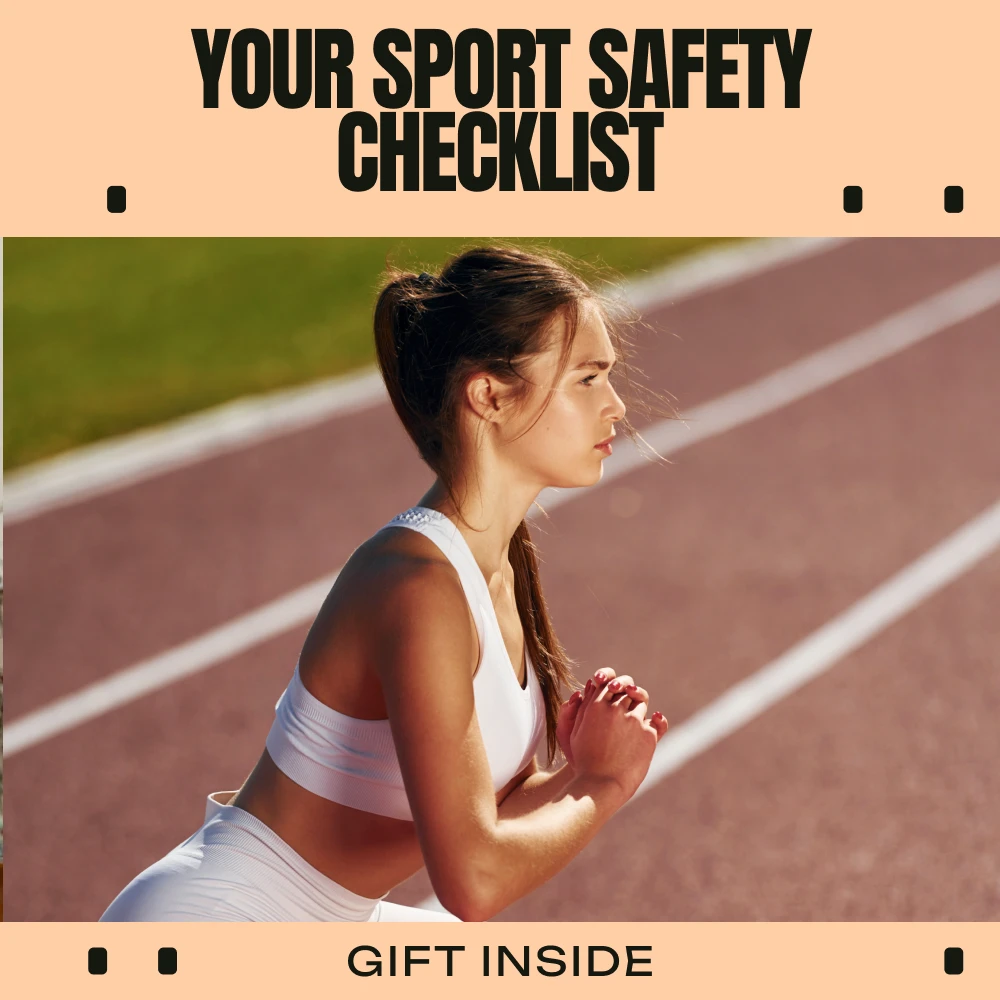
Your Sport Safety Checklist | Essential Sport Safety Gear Importance Guide for Athletes, Parents & Coaches | Printable Digital Checklist
Choose the right gear, then check its fit
Required equipment varies by sport, age group, and league. It may include a helmet, mouthguard, protective eyewear, shin guards, or appropriate footwear. Start with your sport organization’s requirements and the equipment maker’s instructions rather than using one sport’s gear list for another.
Before play, inspect straps, padding, closures, visible wear, and fit. Wear each required item as intended. If it is damaged or cannot be adjusted to fit properly, replace it instead of relying on a temporary substitute. Growth and regular use can change fit, so revisit it during the season.
Know when to stop
Do not push through a suspected concussion. Remove an athlete with a suspected concussion from play, and do not allow a return until they are cleared in line with applicable medical guidance and sport rules. For other concerning symptoms, stop and seek appropriate help. Sometimes a concern calls for an equipment adjustment; sometimes the right decision is to sit out.
Know when to stop and ask for help
Do not push through a suspected concussion or other concerning symptoms. An athlete with a suspected concussion should be removed from play and should not return until cleared in line with applicable medical guidance and sport rules. The CDC HEADS UP resource offers guidance for families and sports communities; HealthyChildren.org’s fitness resources offer further information for parents.
A checklist works best when people feel comfortable speaking up—and when the adults around them respond. Sometimes the right call is to adjust equipment or conditions; sometimes it is to sit out and get help. Making that call is part of taking sport seriously.
Compare related options such as Baby Health Insurance Made Simple | Digital Guide for New Parents | How to Manage Health Insurance for a Baby | Printable PDF eBook to match features, dimensions, and use case before choosing.
Before choosing, compare the product details with your daily routine, available space, care needs, and preferred setup. The strongest option is usually the one that fits the intended use clearly and remains simple to clean, store, and check before repeat use.
It is also worth checking measurements, material notes, included parts, and compatibility details so the item matches the way it will be used after delivery.
Before choosing, compare the product details with your daily routine, available space, care needs, and preferred setup. The strongest option is usually the one that fits the intended use clearly and remains simple to clean, store, and check before repeat use.
FAQ
What does “sports safety” mean?
It means taking practical steps to reduce avoidable risks before, during, and after activity. No sport is risk-free.
What are the 5 rules of exercise safety?
A useful five-check routine is gear, body, environment, rules, and response plan. It is a practical framework, not an official rulebook for every sport.
What age should kids play contact sports?
There is no single right age for every child or sport. Consider your child’s development, interest, medical circumstances, league rules, and guidance from their pediatrician.
See if Your Sport Safety Checklist | Essential Sport Safety Gear Importance Guide for Athletes, Parents & Coaches | Printable Digital Checklist fits your setup
How to Know If a Bowl Is Heat Resistant
Oct 19, 2026













Leave a comment